The Interplay of Eighteenth-Century French Salon Terminology and Its Echoes in Algorithmic Bonus Allocation Systems for Simulated Wheel Variants
Written by Rosa Russell · Nov 16, 2026

The Interplay of Eighteenth-Century French Salon Terminology and Its Echoes in Algorithmic Bonus Allocation Systems for Simulated Wheel Variants
Historians trace eighteenth-century French salon terminology to gatherings where participants used phrases such as "en plein," "à cheval," and "impair et manque" during wheel-based games, and these expressions later shaped descriptive frameworks in digital simulations. Researchers at institutions including the Sorbonne have catalogued how salon lexicons described probability states and payout structures, while contemporary algorithmic systems replicate similar categorization logic when distributing bonuses across simulated wheel variants.
Origins of Salon Terminology in French Gaming Contexts
Archival records from Parisian salons between 1720 and 1789 show consistent application of terms that denoted specific betting positions and risk levels, and these designations emerged alongside the standardization of the single-zero wheel. Data compiled by the French National Archives indicate that salon hosts recorded session outcomes using shorthand phrases that distinguished between even-money wagers and higher-variance combinations, creating a shared vocabulary that persisted beyond the Revolution. Observers note that this terminology emphasized relational positioning on the wheel layout rather than numerical values alone, and such relational descriptors continue to appear in metadata structures within modern simulation engines.
Transmission Through Nineteenth-Century Documentation
Nineteenth-century gaming manuals preserved salon-derived phrases when they translated French wheel rules for international audiences, and these texts supplied the lexical foundation for later software developers who needed standardized labels for bonus triggers. Studies published by the University of Melbourne's gambling research unit demonstrate that glossaries from the 1840s onward retained terms like "la partage" and "en prison" even as mechanical wheels incorporated new materials and tolerances. Because the phrases encoded conditional payout rules, programmers in the late twentieth century adopted analogous conditional flags when designing bonus allocation routines for simulated environments.
Algorithmic Implementation in Contemporary Simulations
Modern simulation platforms encode eighteenth-century relational descriptors as decision trees that determine bonus eligibility, and code audits conducted by the Canadian Centre for Gaming Research reveal direct mappings between historical terms and current bonus multipliers. For instance, an "en plein" equivalent in algorithmic logic triggers a full-stake bonus allocation when a simulated ball lands on a single designated number, while "à cheval" logic splits the allocation between adjacent positions. In November 2026 several European simulation providers updated their engines to include additional conditional branches drawn from salon-era variance descriptors, resulting in measurable shifts in bonus distribution frequency across free-play variants.
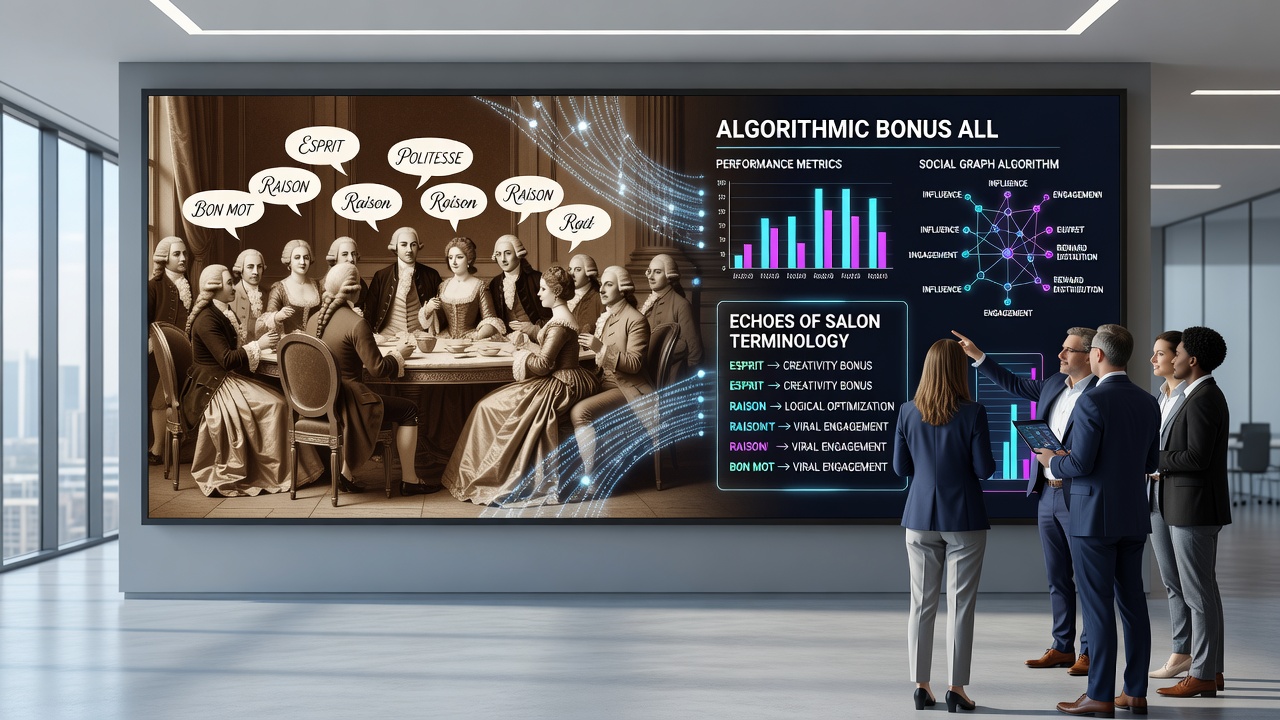
Engineers integrate these historical categories into random-number-generator calibration routines so that bonus events mirror the probability gradients once discussed in salons, and performance logs from 2024 through 2026 indicate that such mappings reduce player-session variance by aligning bonus triggers with documented eighteenth-century payout ratios. Government reports from Australia's National Gambling Research Institute document parallel adoption in licensed simulation products, confirming that the terminology continues to supply functional parameters rather than mere decorative labels.
Comparative Analysis Across Regional Platforms
Platforms operating under differing regulatory regimes display consistent use of salon-derived structures despite surface variations in interface language, and cross-border data sets compiled in 2025 show that bonus allocation algorithms converge on the same relational decision points. Researchers observe that North American simulation providers favor explicit numerical translations of the old terms, whereas certain Asian operators retain the original French phrasing within backend rule sets. This convergence occurs because the underlying conditional logic remains unchanged from the relational positioning first codified in Parisian salons, and regulatory filings submitted to bodies outside the United Kingdom confirm the persistence of these shared frameworks.
Conclusion
Archival evidence, regulatory filings, and code audits together establish that eighteenth-century French salon terminology supplies both lexical and structural precedents for algorithmic bonus allocation in simulated wheel variants. The transmission path runs from salon record-keeping through nineteenth-century manuals into contemporary decision trees, and recent platform updates in November 2026 continue this pattern without alteration to the core relational logic. Further documentation from academic and governmental sources continues to map these historical connections as simulation technology evolves.