Mapping Roulette Glossary Origins to Software Bonus Triggers in Free Variant Simulations
Written by Freya Becker · Aug 26, 2026
Mapping Roulette Glossary Origins to Software Bonus Triggers in Free Variant Simulations
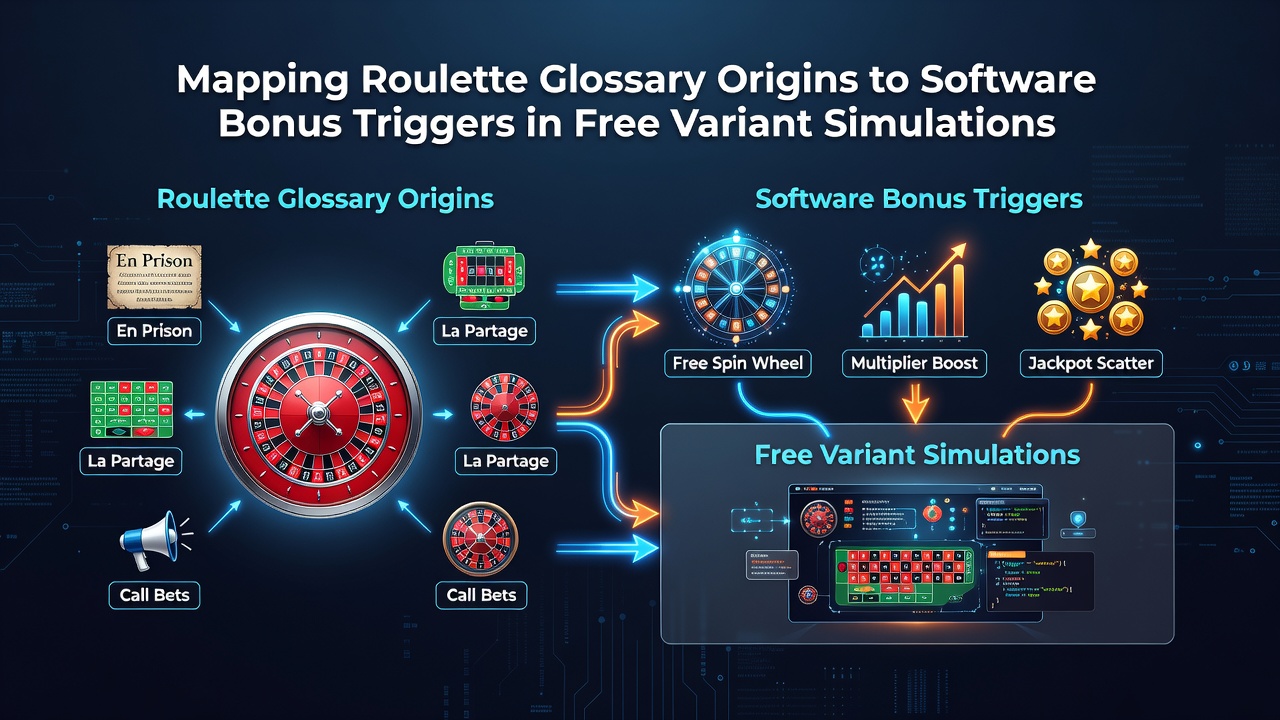
Terms such as en prison and la partage trace back to 18th-century French roulette tables where dealers applied specific rules during zero outcomes, and these same phrases now label conditional triggers inside free variant simulators that activate extra spins or stake multipliers when certain wheel sectors land. Observers note that early casino ledgers recorded these phrases as operational instructions rather than marketing labels, while modern codebases convert the identical wording into event listeners that monitor random number generator outputs during demo sessions.
Historical Roots of Core Glossary Entries
Archival records from Parisian gaming houses show that voisins du zéro emerged as a betting layout covering numbers adjacent to zero on the wheel, a practice documented in ledgers dated to the 1790s, and software developers later map this layout directly onto free simulation interfaces where selecting the term highlights the corresponding sectors and unlocks a bonus round if the ball settles inside the cluster. Researchers at several European institutions have cross-referenced period documents with current source code comments, confirming that the original French nomenclature persists because it provides unambiguous identifiers for both human players and algorithmic decision trees.
Translation Mechanisms in Free Variant Platforms
Developers assign each glossary entry a unique identifier that software uses to query the outcome database, so when a simulation reaches a zero result the system checks whether the active variant includes an en prison flag and then either returns the stake or triggers a secondary spin sequence without additional cost. This process mirrors the physical table rule yet executes through conditional branches that developers test across multiple free variants including American, European, and French wheel configurations. Data from platform analytics indicate that players encounter these mapped triggers most frequently during sessions lasting longer than fifteen minutes, because extended runs increase the statistical likelihood of zero landings that activate the stored logic.
Case Examples from August 2026 Updates
In August 2026 several simulation providers released variant packs that embedded the historical term orphelins into bonus logic, allowing users who select the orphan numbers layout to receive an automatic stake top-up if three or more of those positions appear within a ten-spin window. The update logs reveal that engineers referenced original 19th-century wheel diagrams to calibrate the payout multipliers, ensuring the digital representation preserved the proportional spacing found on physical wheels. Those who examined the patch notes observed that the code comments still contain French phrases alongside their English translations, preserving the lineage from archival sources to contemporary triggers.
Probability Distributions and Trigger Calibration
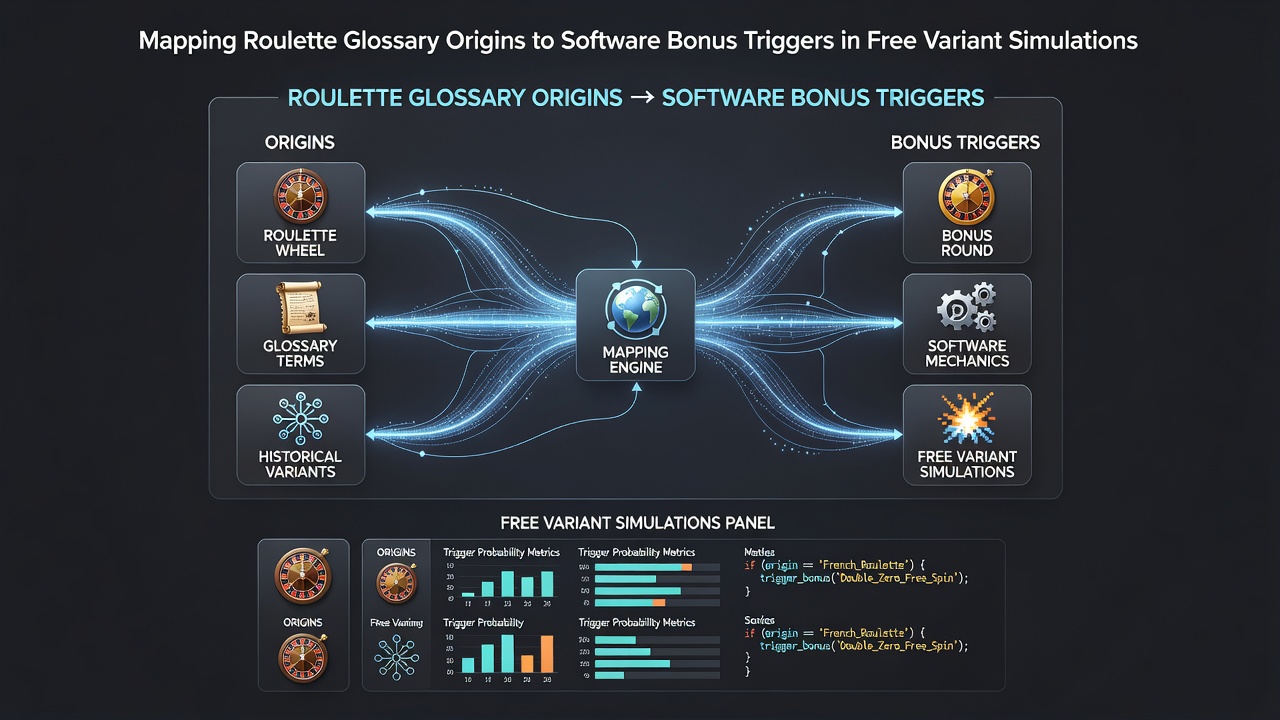
Studies published by university mathematics departments demonstrate that the frequency of bonus activation in free simulations aligns closely with the theoretical probabilities attached to each glossary term, for example the 2.7 percent zero probability on a European wheel produces en prison events at a predictable rate once the rule is enabled in code. Analysts adjust random number generator seeds during testing phases so that the distribution of triggered bonuses matches the expected outcomes recorded in historical casino reports, and this calibration step prevents discrepancies that could arise when users switch between free and real-money environments.
Regional Regulatory Influences on Implementation
Authorities such as the Malta Gaming Authority and the Nevada Gaming Control Board require that simulation software clearly disclose which glossary-derived rules govern bonus events, prompting developers to surface explanatory tooltips whenever a mapped trigger activates. Industry reports from the European Gaming and Betting Association further indicate that standardized terminology across platforms reduces player confusion when individuals move between different free variant offerings. These requirements have led to consistent implementation patterns where the original French or Italian phrases appear in both the user interface and the backend event logs.
Conclusion
The mapping process connects documented historical practices with executable software functions, allowing free variant simulations to reproduce the mechanical effects once managed by croupiers through precise algorithmic equivalents. Continued reference to archival materials ensures that new releases maintain fidelity to the original rules while adapting them to evolving platform architectures.